The color of a sofa can set the tone for an entire room, quietly influencing mood, style, and even how spacious a space feels.
Choosing the right shade isn't just about matching curtains or rugs—it's about creating a home that feels alive, comfortable, and personal.
Consider Your Room's Mood
Every room has a vibe, and your sofa color can enhance or disrupt it.
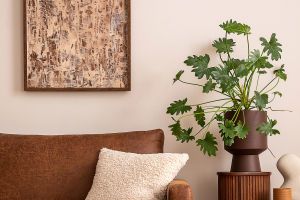
Warm tones – Colors like burnt orange, deep red, or mustard create a cozy, inviting atmosphere. They pair beautifully with wooden furniture and soft lighting.
Cool tones – Shades of blue, green, or gray bring calmness and serenity. These work well in spaces where you want relaxation, like reading nooks or bedrooms turned into lounge areas.
Neutral tones – Beige, taupe, or soft grey are versatile, allowing other decor elements to pop. For example, a grey sofa can be paired with colorful cushions or patterned rugs without overwhelming the eye.
Actionable example: Try holding a fabric swatch against your walls under your lighting at different times of day to see how the color changes.
Balance Boldness and Practicality
A sofa is both a statement and a functional piece of furniture, so think about longevity and usage.
Bold colors – Deep jewel tones or bright hues can energize a space, but consider how often you entertain and whether you have children or pets.
Neutral practical choices – Light greys and earthy tones are forgiving when it comes to stains and daily wear. You can always brighten the room with throws, cushions, or artwork instead of a permanent sofa color.
Actionable example: If you love a bold red but worry about wear, choose a removable cover or a fabric known for durability, like microfiber.
Complement Existing Decor
A sofa doesn't live in isolation; it interacts with walls, floors, and other furniture.
Matching schemes – Pair a sofa with similar tones for a monochromatic, elegant look. For instance, a sandy beige sofa with cream walls creates a soft, continuous palette.
Contrasting schemes – Select a sofa color that contrasts with walls or rugs for a striking focal point. A navy sofa against light grey walls instantly becomes the centerpiece.
Layer textures – Even with matching colors, textures make a difference. Combine smooth cotton with a chunky knit throw or velvet cushions to prevent the room from feeling flat.
Actionable example: Take a photo of your living room and use an online color visualizer to test potential sofa colors against your current palette.
Think About Lighting
Lighting can dramatically alter how a sofa color looks in a space.
Natural light – Colors appear truer in daylight. A soft yellow sofa may look warm and sunny near a south-facing window but muted in a shadowed corner.
Artificial light – Warm bulbs enhance reds, oranges, and yellows, while cool white bulbs favor blues and greys. Adjust lighting before finalizing your sofa color to avoid surprises.
Layer lighting – Combine floor lamps, overhead lights, and table lamps to see how your chosen color reacts in different scenarios.
Actionable example: Place a small fabric sample under each type of lighting for a few hours to check consistency before committing.
Consider Maintenance
The right color also affects how often you'll need to clean or maintain your sofa.
Light colors – While elegant, they show stains and wear quickly. Have a cleaning plan, such as professional upholstery cleaning or protective sprays.
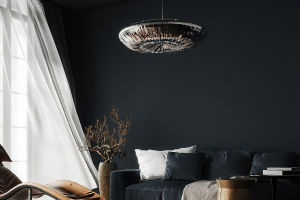
Dark colors – Better at hiding spills or dirt but may show dust or pet hair. Regular vacuuming keeps it looking fresh.
Patterned fabrics – A subtle pattern can mask minor stains and add visual interest without overwhelming the room.
Actionable example: If you live with pets, consider fabrics like microfiber or performance velvet in mid-tones—they're easier to maintain and still stylish.
Selecting the right sofa color is both an art and a practical decision. By considering room mood, boldness, lighting, decor, and maintenance, you can pick a sofa that enhances your space and feels right for daily life. A thoughtful color choice transforms the sofa from a simple seat into the heart of your living room, inviting relaxation, conversation, and a touch of personal style.