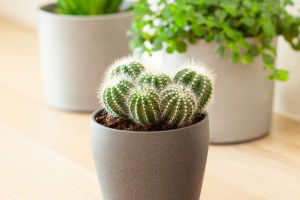
Cacti are popular houseplants for good reason: their unusual shapes, varied textures, and manageable care needs make them attractive additions to many homes. Some grow as small, rounded plants, while others develop tall stems or branching forms.
Although cacti are often described as easy to maintain, they still need the right environment to thrive. Understanding how much light, water, and space a cactus requires can help prevent common problems and keep it looking healthy throughout the year.
Choose the Right Spot for Your Cactus
Light is one of the most important factors in cactus care. Many varieties prefer bright light and can grow well near a sunny window. However, their needs differ, so it is worth checking the requirements of the particular variety you own.
A cactus that has spent time in a dim shop or shaded room may need a gradual introduction to stronger sunlight. Moving it directly into intense afternoon sun can cause discoloration or scorched patches. Increase its exposure slowly and watch for signs of stress.
Water Carefully and Avoid Overdoing It
One of the most common cactus-care mistakes is watering too frequently. Cacti store moisture in their tissues, allowing wide varieties to tolerate dry periods. Their roots, however, can suffer when the growing medium remains wet for too long.
Rather than watering according to a strict weekly schedule, check the soil first. Allow the growing medium to dry substantially between waterings, with the exact interval depending on the plant, temperature, and season. When watering is needed, moisten the soil thoroughly and allow excess water to drain away.
Use Soil That Drains Well
Ordinary garden soil or a dense potting mix may hold too much moisture for many cacti. A suitable cactus-growing mix should allow water to drain easily while providing sufficient support for the roots. Commercial mixes made for cacti and succulents can be a convenient starting point. Depending on the variety and growing conditions, a mix containing mineral materials such as pumice or perlite may improve drainage and airflow.
Know When to Repot
Cacti generally do not need frequent repotting. Consider moving yours to a new container when its roots become crowded, the plant becomes unstable, or the growing medium has deteriorated. A container that is only slightly larger than the current one is often a sensible choice, because excess soil can retain moisture longer than the roots can use it.
Handle the plant carefully during repotting. Thick gloves, folded paper, or suitable gripping tools can help protect your hands from spines. Gently remove loose old soil, inspect the roots, and place the cactus in fresh, well-draining mix. After repotting, avoid immediately giving the plant a heavy watering, particularly when roots have been disturbed. Allow any damaged areas to dry before returning to normal care, and follow the needs of the specific variety.
Recognize Signs of Plant Stress
Changes in appearance can offer clues about a cactus's condition. A plant that becomes unusually stretched or narrow may not be receiving enough light. Soft, discolored areas can indicate excess moisture or other damage, while shriveling may result from insufficient water or root damage.
Adjust Care With the Seasons
A cactus's needs can shift throughout the year. During periods of active growth, suitable light, occasional watering, and appropriate warmth support new development. When daylight becomes limited or temperatures drop, growth may slow, meaning the plant often needs less water.
Indoor heating can make the air drier, but dry air does not automatically mean the soil needs more frequent watering. Check the growing medium rather than relying on room conditions alone. Also, keep the plant away from heating vents that create sudden temperature changes.
Caring for a cactus becomes much easier when its basic needs are understood. With a suitable environment and a little patience, a cactus can remain an attractive part of your indoor plant collection for years.