Welcome, and let's begin. You buy a healthy plant, set it on a shelf, water it when you remember, and three weeks later the leaves drop.
That pattern is common, but it's rarely bad luck. Most houseplant failures come down to three things you can actually control: light, water, and airflow. Get those right, and the plant does the rest.
Light is not just brightness
Your eye adjusts to dim rooms far better than a plant can. A spot that feels bright to you can still be too dark for a fiddle leaf fig, which wants several hours of indirect light near a window. South-facing glass gives the strongest light; east- and west-facing windows are gentler, and a north window is dim most of the day. If your plant leans hard toward the window or grows pale, stretched stems, it's reaching for light it isn't getting. Move it closer, or add a grow light on a simple timer.
Overwatering kills more plants
Underwatering is easy to spot. Overwatering is the quiet one. Roots sitting in soggy soil lose air and start to rot, and the leaves often yellow and drop in a way that looks exactly like thirst. Check the soil before you pour. Push a finger two inches down, or lift the container to feel the weight. Most houseplants want the top inch or two to dry out between waterings, and a snake plant can go weeks without a drop. A container with a drainage hole and a saucer you empty is the single biggest safeguard you can give yourself.
Airflow gets ignored
Still, humid air in a closed room invites problems. Fungus gnats breed in damp soil with no air moving, and powdery mildew settles on leaves in stale corners. You don't need a fan blasting the plant. Just keep it out of a sealed, airless nook, and open a window now and then. Spacing plants so leaves don't touch also helps air move and makes pests harder to spread from one container to the next.
Match the plant to your room
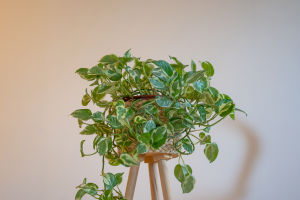
Instead of fighting your space, pick plants that already suit it. A pothos tolerates low light and irregular watering. A succulent wants a sunny sill and dry soil. Putting a sun-loving plant in a dim hallway sets it up for a losing battle that no amount of care can win. Read the light and water needs before you buy, not after the leaves curl.
The container and soil matter too
A plant in the wrong medium struggles no matter how careful you are. Standard potting mix holds moisture well, which suits ferns but drowns cacti. Add perlite or use a cactus blend for plants that like it dry. And check the roots every year or so. A root-bound plant in a crowded container dries out fast and stops growing, so step it up one container size when roots circle the bottom.
None of this requires a green thumb, just a bit of attention to what the plant is telling you. Watch the light in your room, feel the soil before watering, and let the air move. Next time a leaf yellows, check the soil first, and you'll likely find the answer sitting right there in the container.